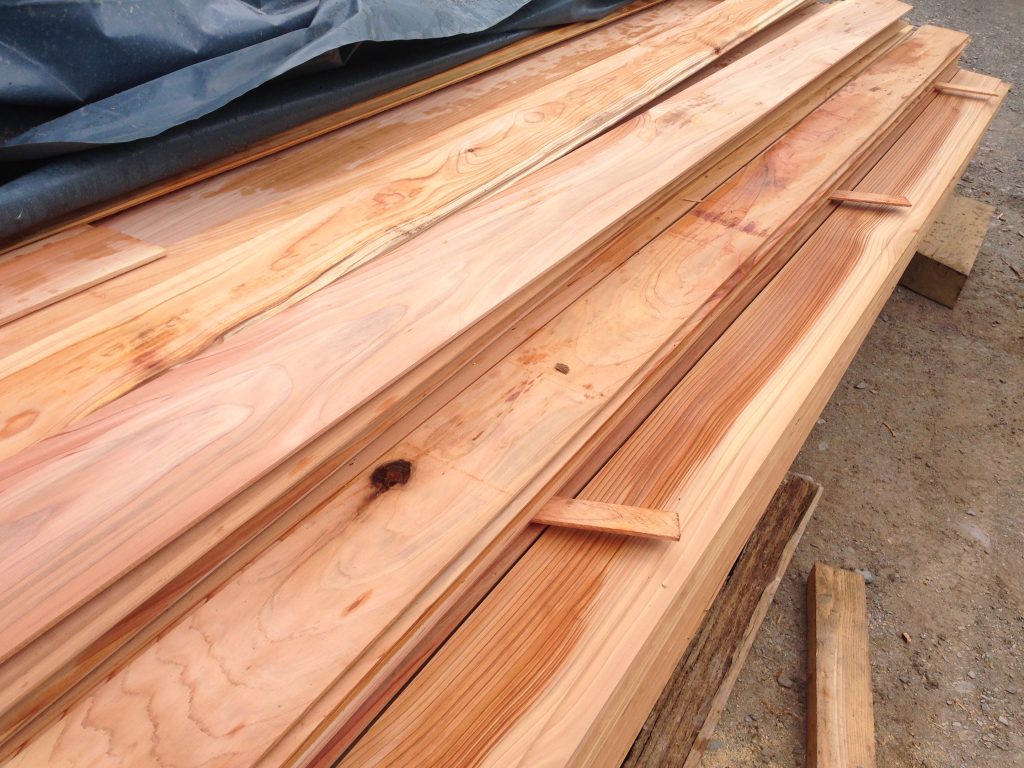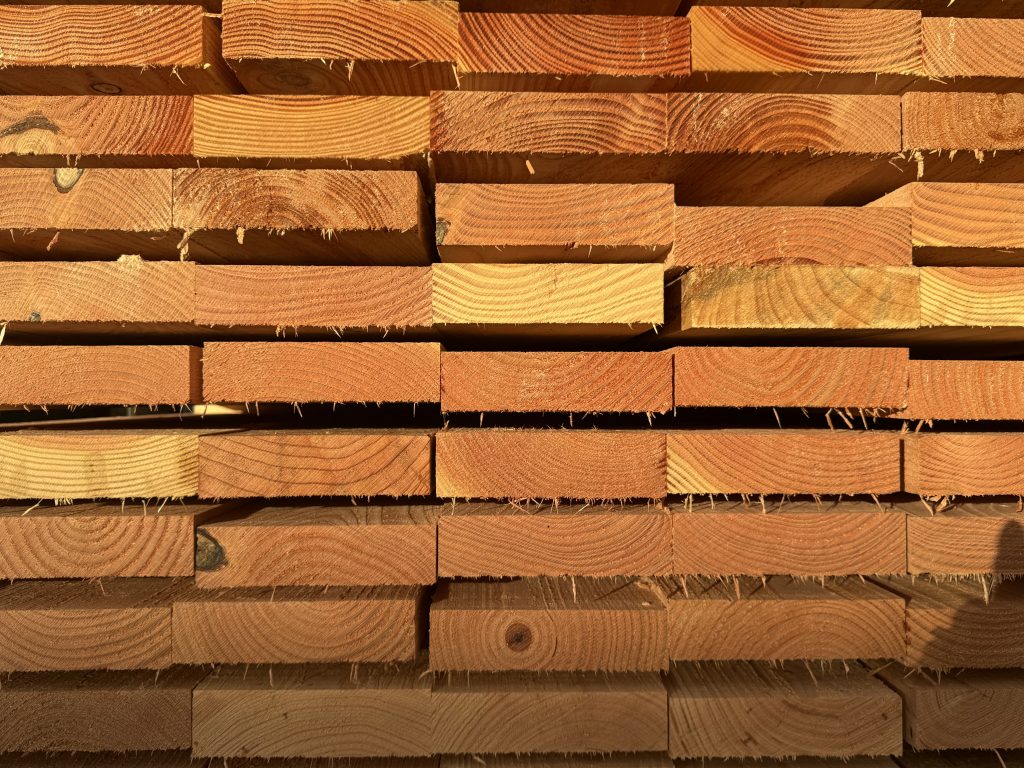
English-grown timbers such as Douglas fir and larch are becoming increasingly popular choices for external cladding across the UK. Homeowners, designers and contractors are often drawn to these species because of their lower carbon footprint, natural, rustic appearance, and their position as a cost-effective alternative to imported options such as Canadian Western Red Cedar.
There are plenty of design decisions to make when specifying cladding profile, board size, fixing method and finish but moisture content is one of the most important factors and is often overlooked.
Why moisture content is critical
Timber is a natural material and will always try to reach equilibrium with its surrounding environment. If cladding boards are installed too wet, they will continue to dry once fixed in place. As this happens, boards can shrink, move or distort, which may lead to:
Excessive gaps opening between boards
Cupping, twisting or warping
Fixings becoming exposed or stressed
Premature aesthetic or performance issues
These problems don’t usually show immediately they tend to appear months later, once the timber has adjusted to its new position on the building.
Straight-from-mill timber: what to watch for
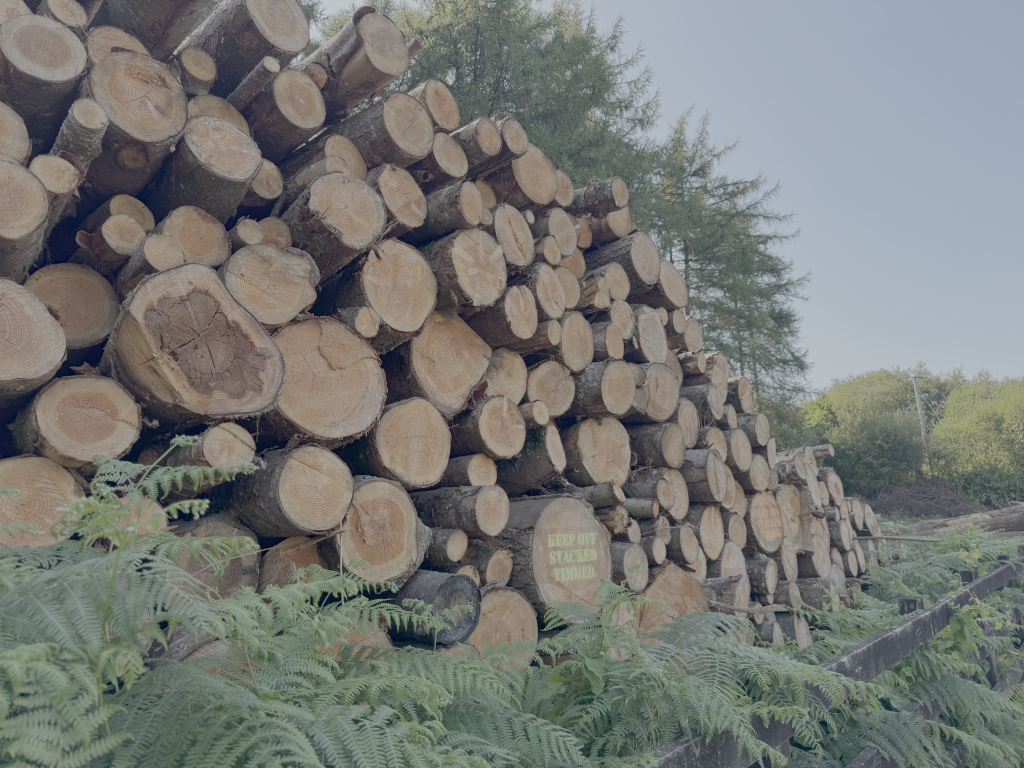
Many English timbers are supplied direct from the mill, particularly Douglas fir and larch. In these cases, the timber may be:
Unseasoned
Not kiln dried
Higher in moisture content than suitable for immediate installation
This doesn’t make the timber poor quality — but it does mean extra care is needed before fixing it to a building.
What should you do before installing timber cladding?
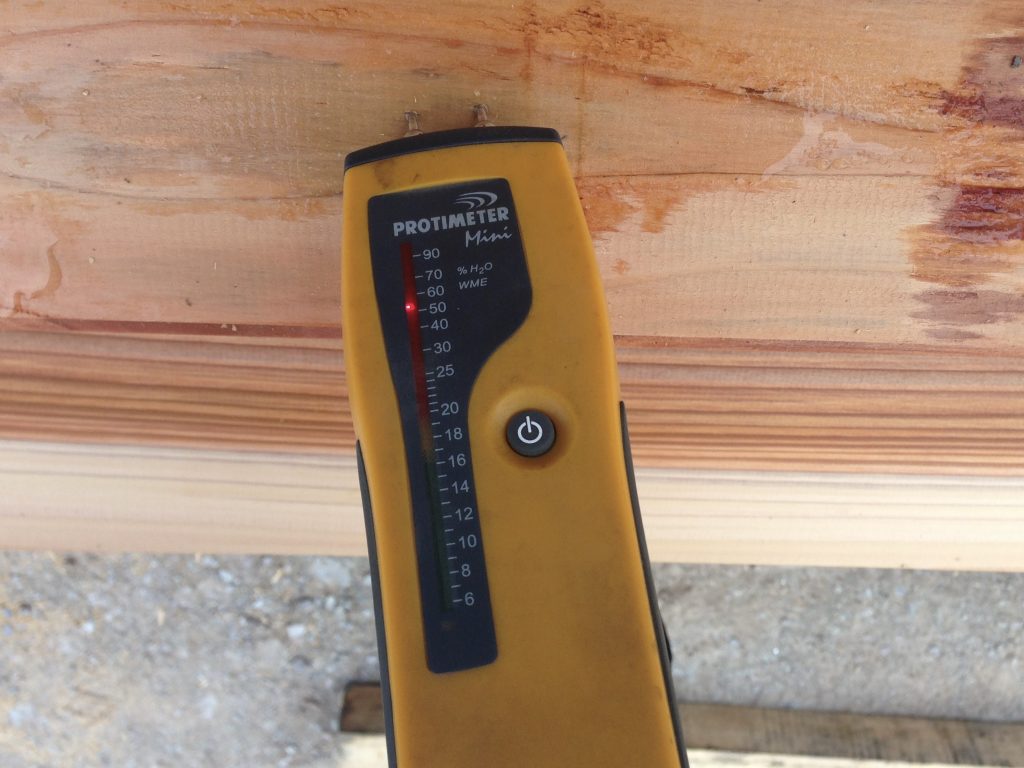
1. Check the moisture content
Using a moisture meter helps confirm whether boards are ready for installation or require further conditioning.
2. Allow time to acclimatise
If timber arrives wet or fresh sawn, it should be stacked correctly and allowed to acclimatise in a covered, well-ventilated space before fixing.
3. Store timber correctly
Boards should be kept off the ground, well ventilated and protected from direct rain. Poor storage can quickly undo any seasoning benefit.
4. Specify with movement in mind
Board spacing, fixing choice and profile selection should all allow for natural timber movement, particularly with greener material.
5. Ask the right questions at point of purchase
Always clarify whether timber is green, air-dried or kiln-dried, along with typical moisture content on delivery.
In summary
English timbers like Douglas fir and larch are excellent cladding materials sustainable, attractive and widely available. But moisture content plays a critical role in how well cladding performs once installed. Getting this right early helps avoid movement issues later and ensures your cladding ages as intended.
If you’d like more detailed guidance, our Timber Cladding Buyers Guide is available to purchase and download. It covers moisture content, species selection, profiles, fixing methods and common specification pitfalls in more depth.
For further advice or questions, contact info@thetimberguide.co.uk