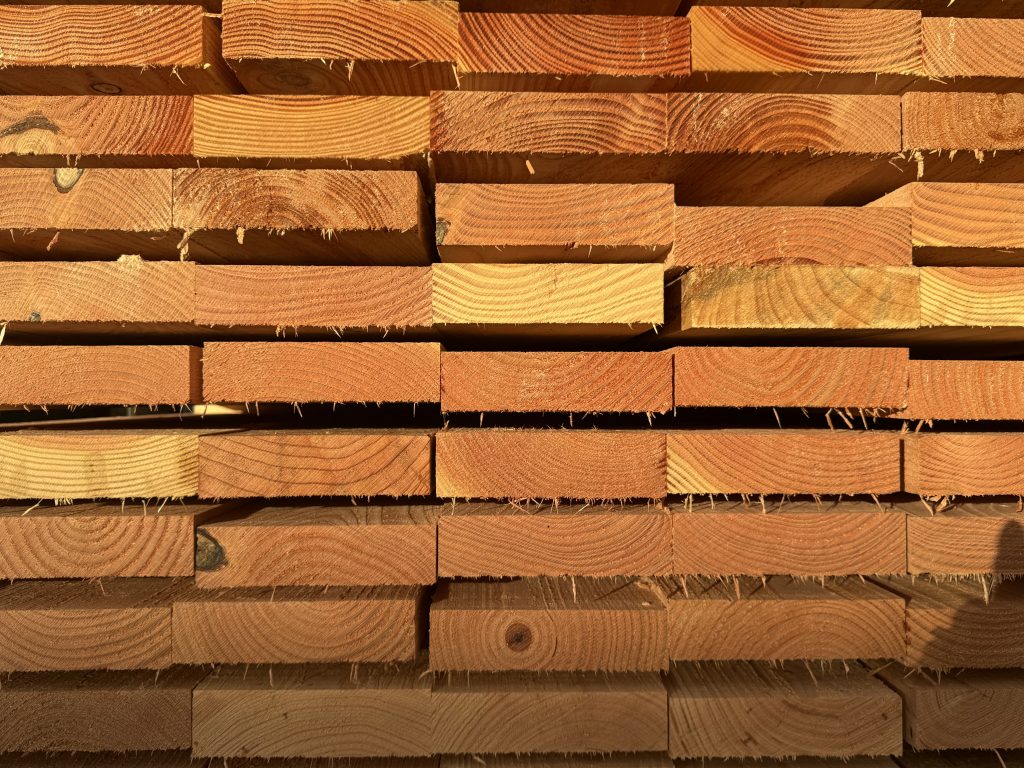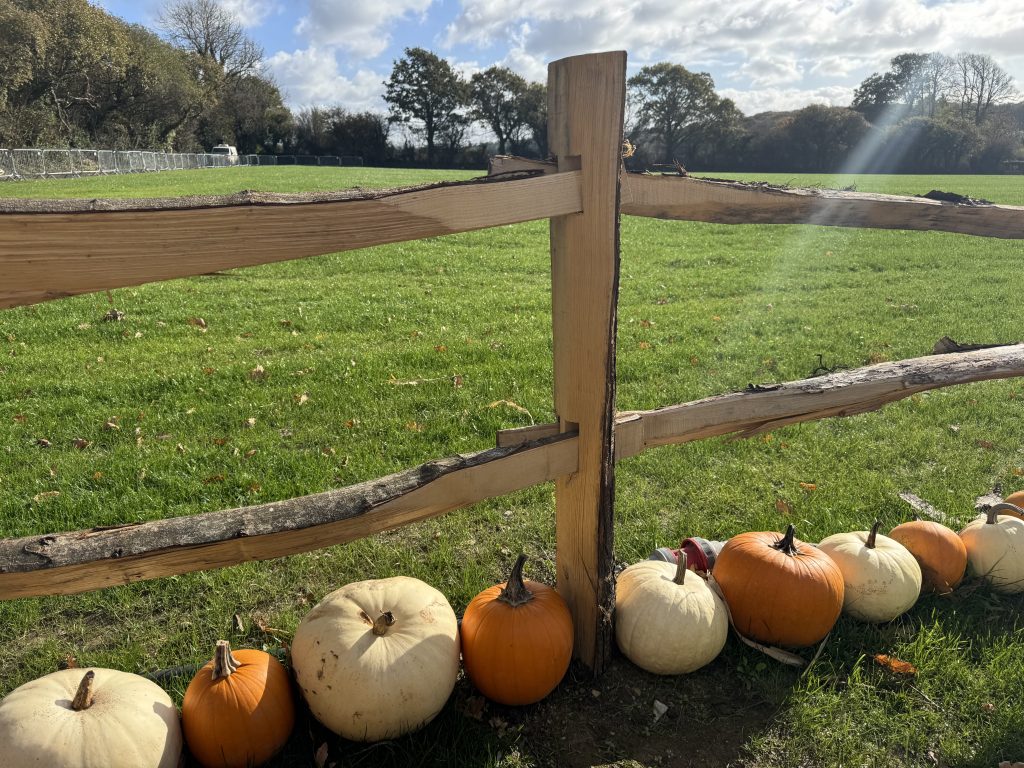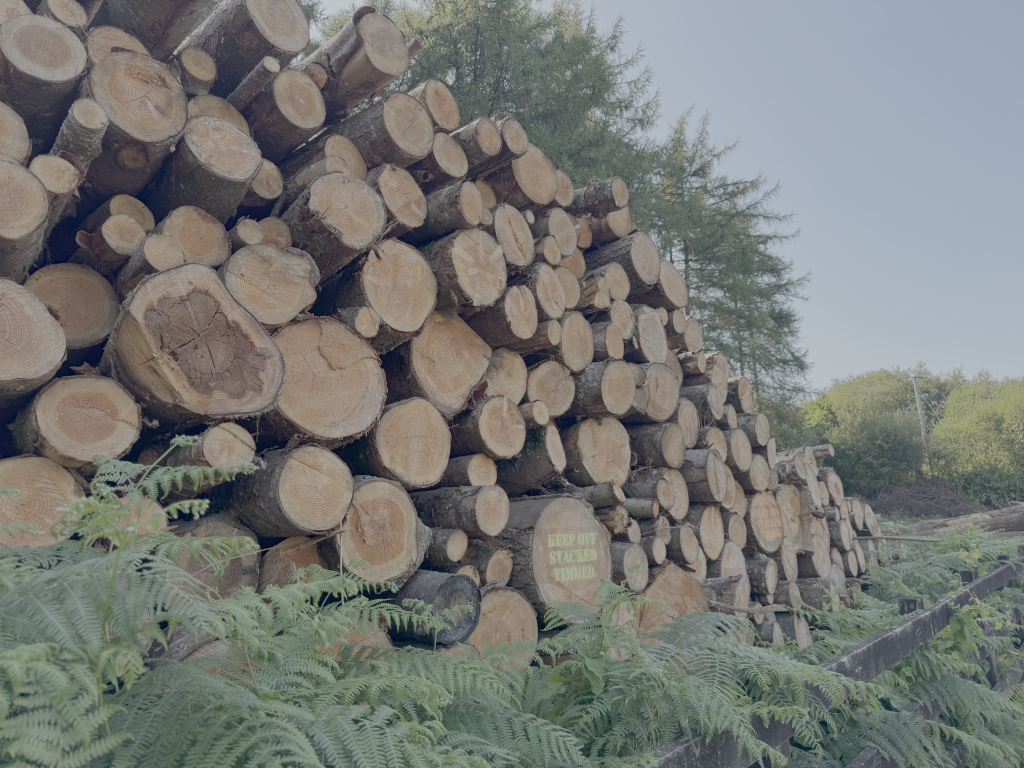
We love homegrown timber and English Larch and Douglas Fir have become increasingly popular choices for cladding. They offer natural beauty, a lower price point than imported options like Western Red Cedar, and support local forestry.
But here’s the bit that often gets missed…
English Larch and Douglas Fir are not the same as their Canadian cousins. They fall into Durability Classes 3–4, which means they’re only moderately to slightly durable when left untreated. That changes how they should be used, and it’s where many projects go wrong.
Here’s what you need to know before you commit to an order:
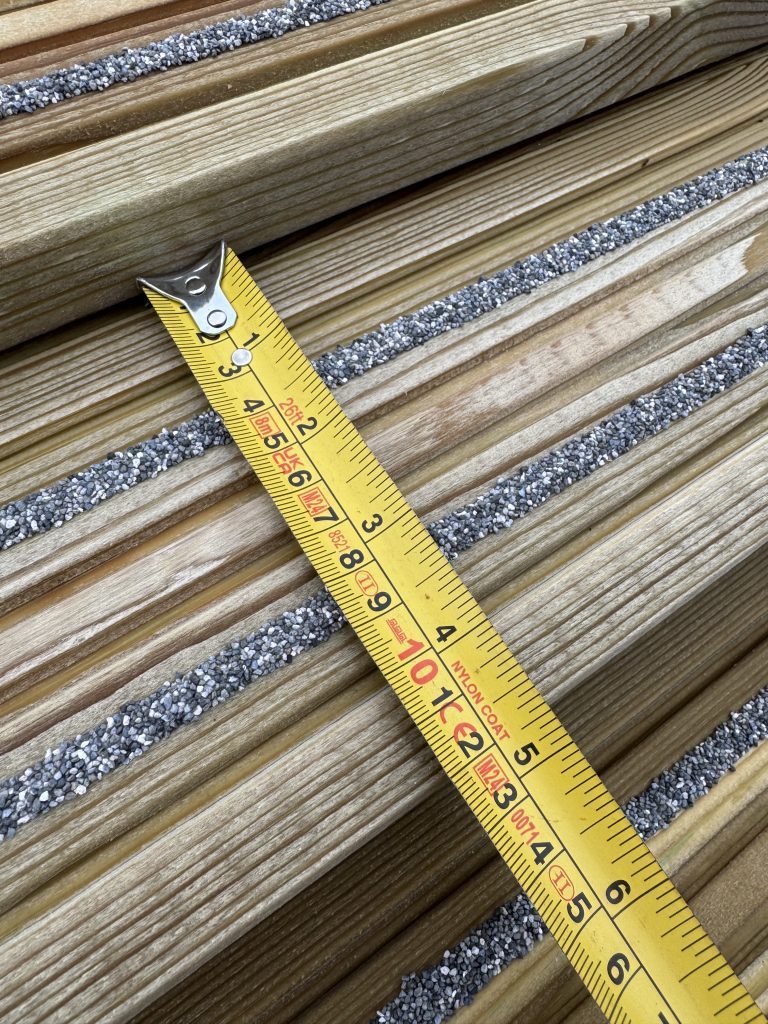
Don’t go too wide, boards wider than Ex125mm are not recommended. Wider sections are more prone to movement and splitting.
Mind the profile – if you’re using tongue & groove, you need a minimum tongue thickness of 15mm and depth of 7.5mm.
Allow for movement, include at least a 4mm expansion gap between boards.
Use suitable fixings, these timbers are denser and harder, so standard cladding fixings may not be enough.
Refer to TDCA guidance or speak to a knowledgeable supplier to make sure your chosen timber and profile are fit for purpose.
Too many people jump in with the right timber but the wrong spec and that can lead to costly mistakes down the line.
So if you’re considering English Larch or Douglas Fir for cladding fantastic choice! Just take a little time to make sure you’re choosing the right profile, the right sizes, and installing it the right way.
Want help getting it spot on?
Drop us a message we’re always happy to guide you through it.