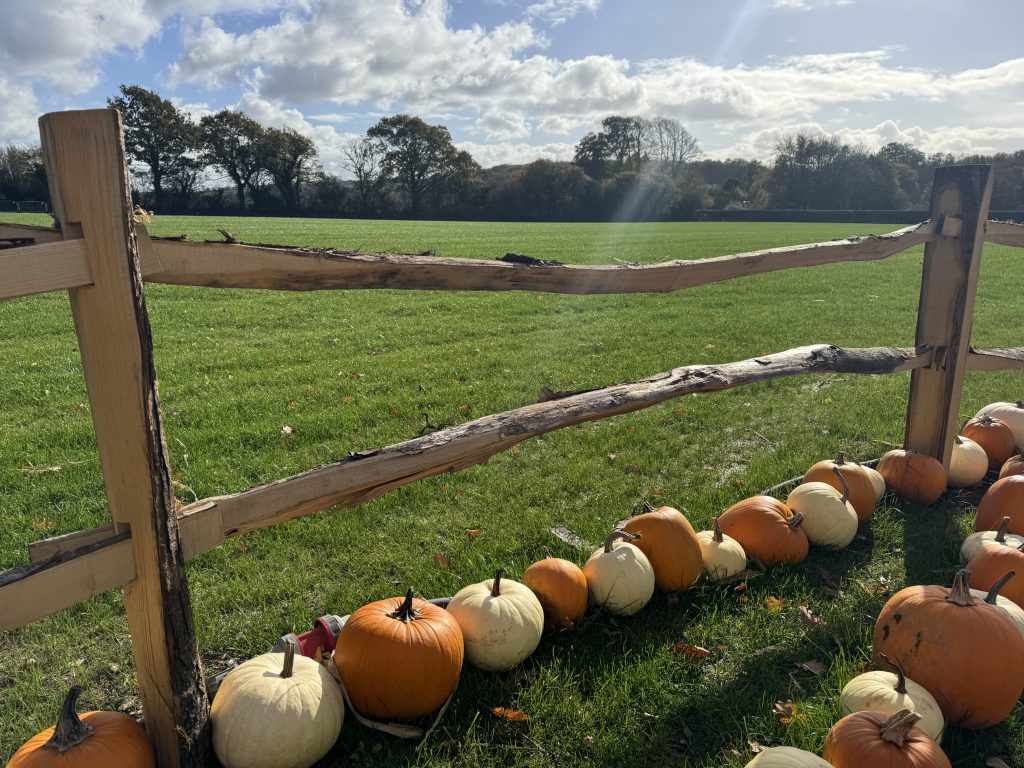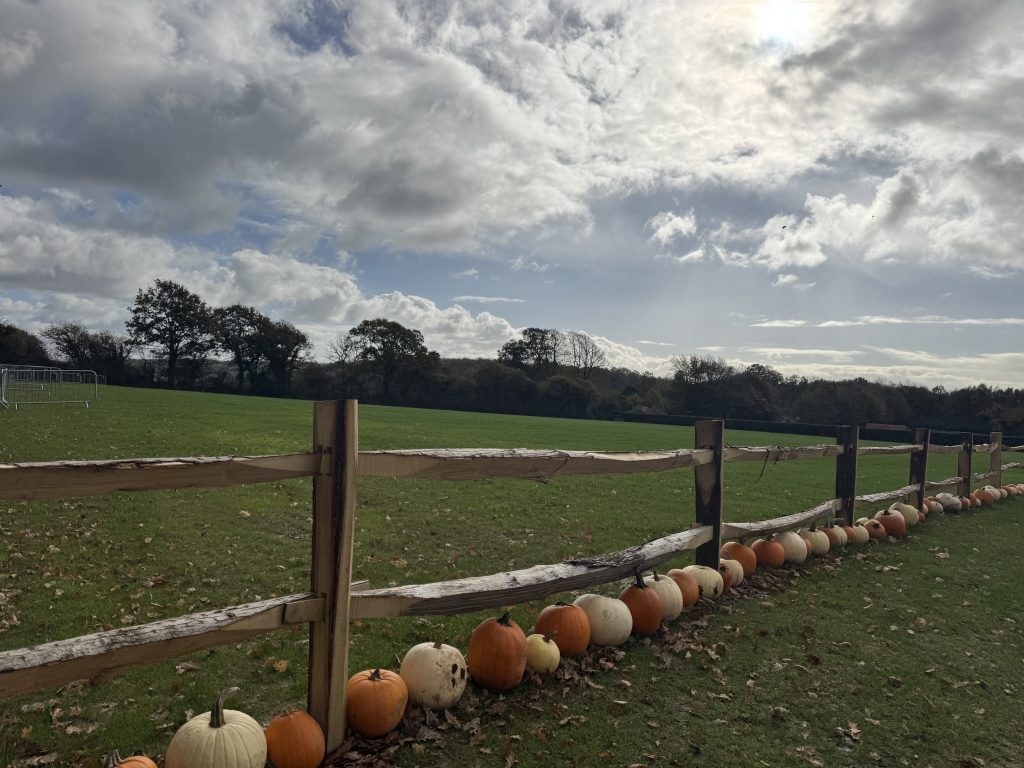
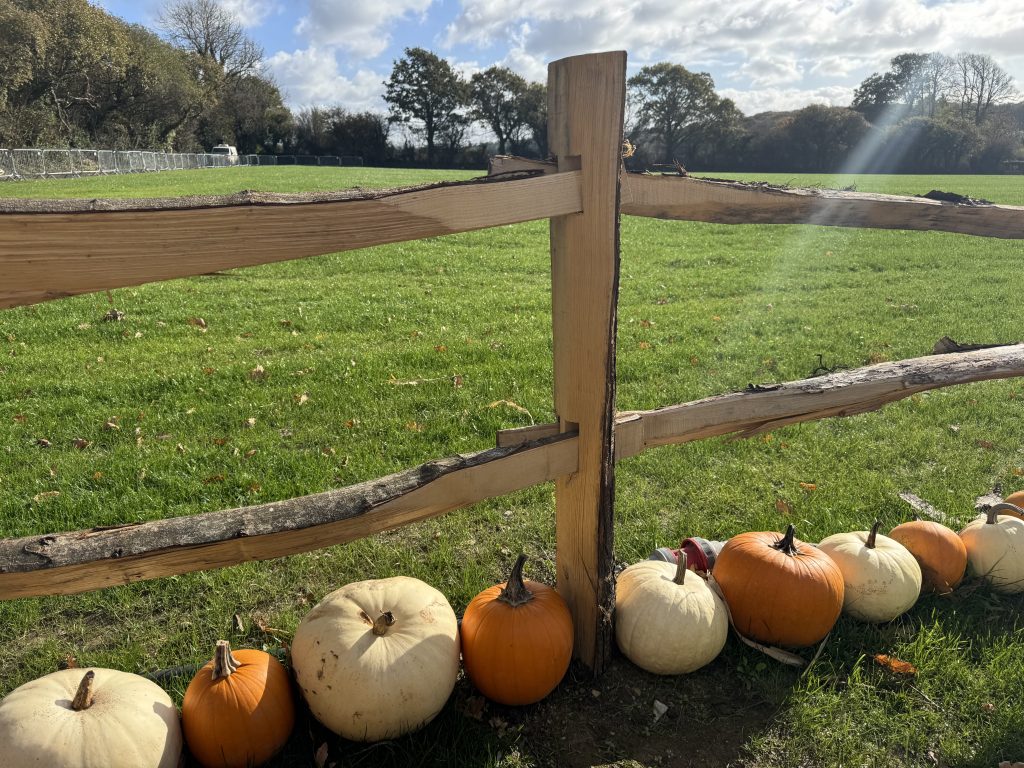
Cleft fencing has been a part of the British countryside for centuries valued for its strength, sustainability, and timeless appearance. Hand-split rather than sawn, cleft post and rail fencing showcases traditional craftsmanship and the enduring quality of home-grown hardwoods.
A Heritage Material
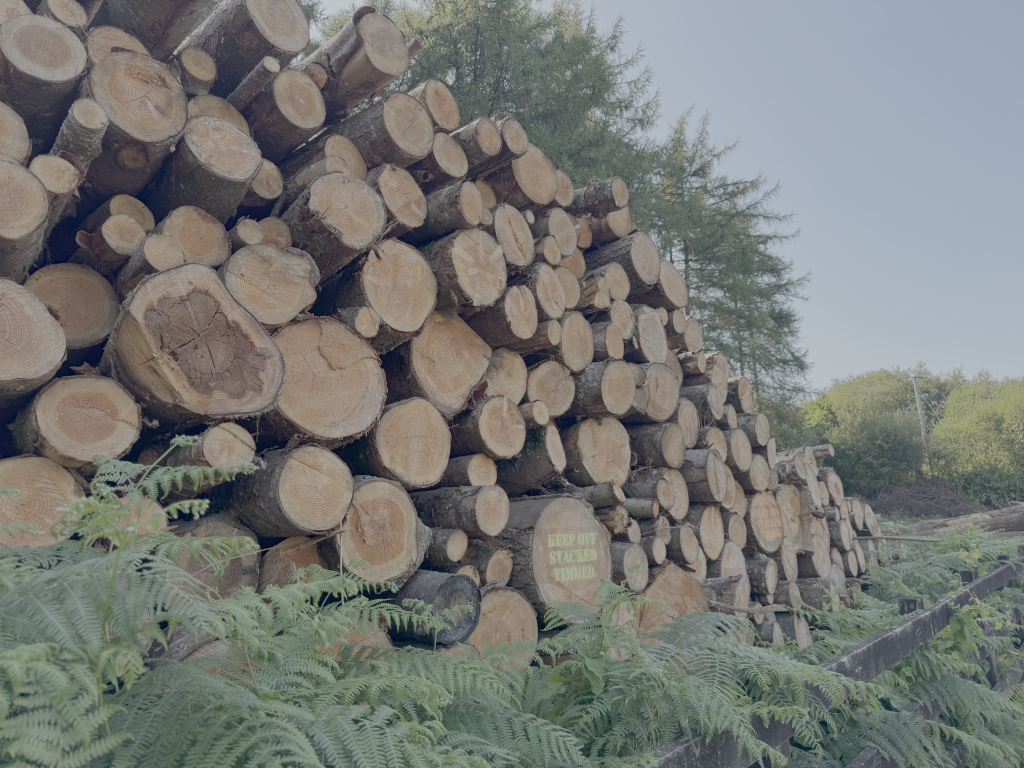
Sweet chestnut was introduced to Britain by the Romans and has since become an integral part of our rural landscape. Today, it’s found predominantly in southern England, where it is managed through traditional coppicing, a sustainable woodland practice that allows the tree to regrow from its stump after harvesting.
This method means chestnut can be harvested repeatedly without replanting, making it one of the most renewable British timbers available. The age of the tree determines its use:
Younger growth (15–30 years) is ideal for smaller fencing sections such as pales or spiles.
Mature growth (30+ years) provides the strength needed for post and rail fencing, stakes, and straining posts.
Felling usually takes place during the winter months, when the sap is low. This not only improves the timber’s longevity but also supports healthy regrowth in spring, ensuring the next crop cycle begins naturally.
What Makes It ‘Cleft’?
Cleft fencing is created by splitting the wood along its natural grain a process known as cleaving. Rather than cutting across the fibres as sawn timber does, cleaving follows them, producing rails and posts that are exceptionally strong and less likely to twist or split. The result is a fence that blends beautifully into its surroundings and celebrates natural form.
The Benefits of Sweet Chestnut
Sweet chestnut is naturally high in tannins, giving it excellent resistance to rot and decay without the need for chemical treatment. When installed directly in the ground, it performs remarkably well and can last for decades. The bark is usually peeled before use, helping each post fit snugly and weather evenly over time.
Chestnut’s dense grain means it doesn’t absorb stains or preservatives deeply, its own natural oils protect it better than most treatments could. Some installers choose to seal the tops of posts with PVA or wax to reduce splitting, though this isn’t essential.
Over time, the warm honey tones of new chestnut mellow into a soft silver-grey, a natural patina that helps the fence sit effortlessly within the landscape.
A Durable Alternative
For those seeking an alternative, oak is another excellent option for cleft post and rail fencing. Like chestnut, it’s durable, strong, and naturally resistant to decay, though slightly denser and heavier. Oak tends to offer a more formal, refined look which is ideal for estate fencing or projects where a more uniform finish is desired.
A Fence That Lasts
Whether made from chestnut or oak, cleft post and rail fencing represents a balance of tradition, sustainability, and craftsmanship. It’s a natural choice for those who value materials that are renewable, durable, and deeply rooted in the British landscape.
If you would like help sourcing sweet chestnut or oak for your project, email us info@thetimberguide.co.uk
To learn more about Coppicing in the UK, click here