Understanding timber sizes in the UK can be confusing, especially when you discover that a 50 x 100 mm joist doesn’t actually measure 50 x 100 mm. The mix of nominal, finished, and planed dimensions, along with a few lingering imperial habits, can make ordering timber feel more complicated than it really is. Whether you’re a DIYer planning a deck, an architect specifying cladding, or a builder buying carcassing timber, knowing how timber sizes work helps you get the right material first time and avoid costly mistakes.
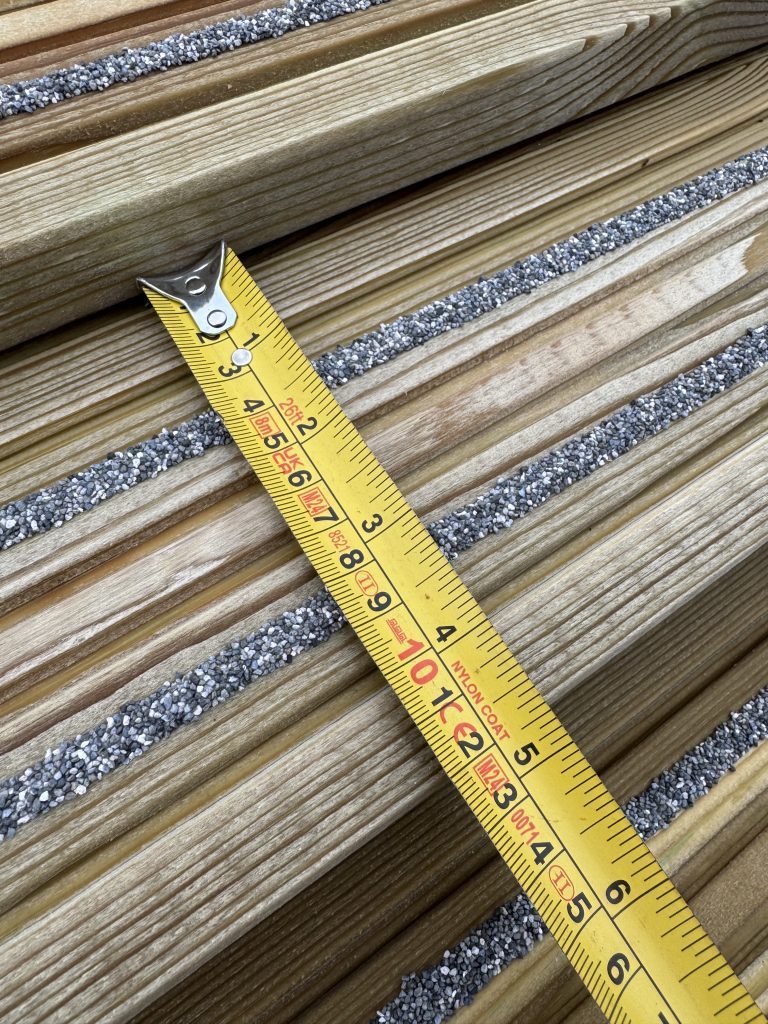
When timber is described as 50 x 100 mm, that figure refers to its nominal size — the measurement before the timber has been planed or machined smooth. Once it has been planed, a few millimetres are removed from each face, leaving what’s known as the finished or actual size. For example, a nominal 50 x 100 mm board will typically measure closer to 45 x 95 mm once planed. These small differences might seem minor, but they can have a real impact when working to tight tolerances or fitting brackets, fixings, or trims. It’s always worth checking whether the measurements you’re ordering are nominal or finished.
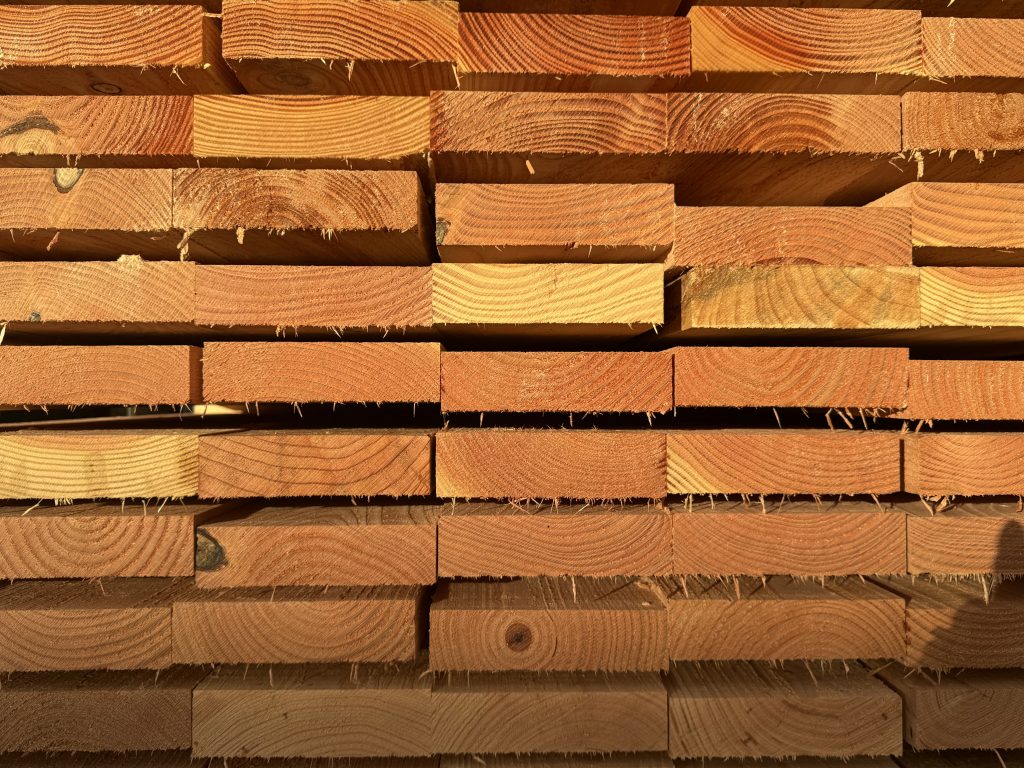
Timber in the UK is sold in different finishes, and this also affects the final size. Rough-sawn timber is cut to size but not smoothed, so it retains its full nominal dimension and is often used for fencing and framing where appearance isn’t a priority. Planed timber, sometimes referred to as PSE (Planed Square Edge) or PAR (Planed All Round), has been smoothed on one or all faces, which slightly reduces its thickness and width. Regularised timber, often used for structural applications, is machined to consistent sizes — usually around 45 mm thick — with rounded edges for easier handling and better fit. If your project relies on precise measurements, always check if your supplier lists regularised (finished) dimensions or nominal sawn sizes before ordering.
Although the UK timber trade now uses metric measurements, the old imperial system still lingers in everyday conversation. You’ll often hear people asking for “2 x 4s” or “6 x 1s,” even though the labels will show their metric equivalents. These imperial terms are handy references rather than precise measurements. A 2 x 4, for example, equates to roughly 50 x 100 mm before planing, and once planed, the finished size is closer to 45 x 95 mm. In general, one inch is treated as about 25 millimetres, but it’s important to remember that planing always reduces the final dimensions slightly.
Cladding and joinery timbers add another layer of variation. Profiles such as tongue and groove, featheredge, or shiplap each have their own “cover width,” which refers to the visible face once the boards are installed. A board might begin as 150 mm wide stock but only cover 130 or 140 mm once it’s fitted, so it’s vital to design based on the cover width rather than the raw size. Joinery timbers, used for windows, doors, and interior projects, are usually planed all round and can vary slightly depending on the supplier’s finishing process and the moisture content of the wood.
It’s also worth noting that timber sizes can vary slightly between merchants. Different sawmills, countries of origin, and machining equipment can produce boards that differ by a millimetre or two. Scandinavian redwood, for example, might not match British-grown softwood exactly, even if both are sold as 45 x 95 mm. This is completely normal. Timber is a natural material, and small variations in size and texture are part of its character.
To make life easier when ordering timber, there are a few simple things to remember. Always confirm whether the size listed is nominal or finished, and allow for a small planing loss of around five millimetres on each face. If you’re working with cladding or profiled boards, check the cover width so you can calculate how many boards you’ll actually need. It’s also sensible to order a little extra to allow for cutting, variation, and the natural differences that occur in wood. And if you’re ever unsure, ask your supplier for clarification — most will be happy to help you get exactly what you need.
Timber sizing in the UK has evolved through a mix of historical practice, modern standardisation, and metric conversion. Once you understand the difference between nominal and finished sizes, and how machining affects the final dimensions, it starts to make much more sense. Whether you’re cladding a building, framing a wall, or building a garden bench, knowing what those measurements really mean helps you plan more accurately and avoid any surprises when your delivery arrives.
At The Timber Guide, we believe timber knowledge should be clear and accessible. Understanding how timber is sized and finished empowers you to make smarter, more confident decisions for your project — ensuring your next build looks great and fits perfectly, right down to the last millimetre.